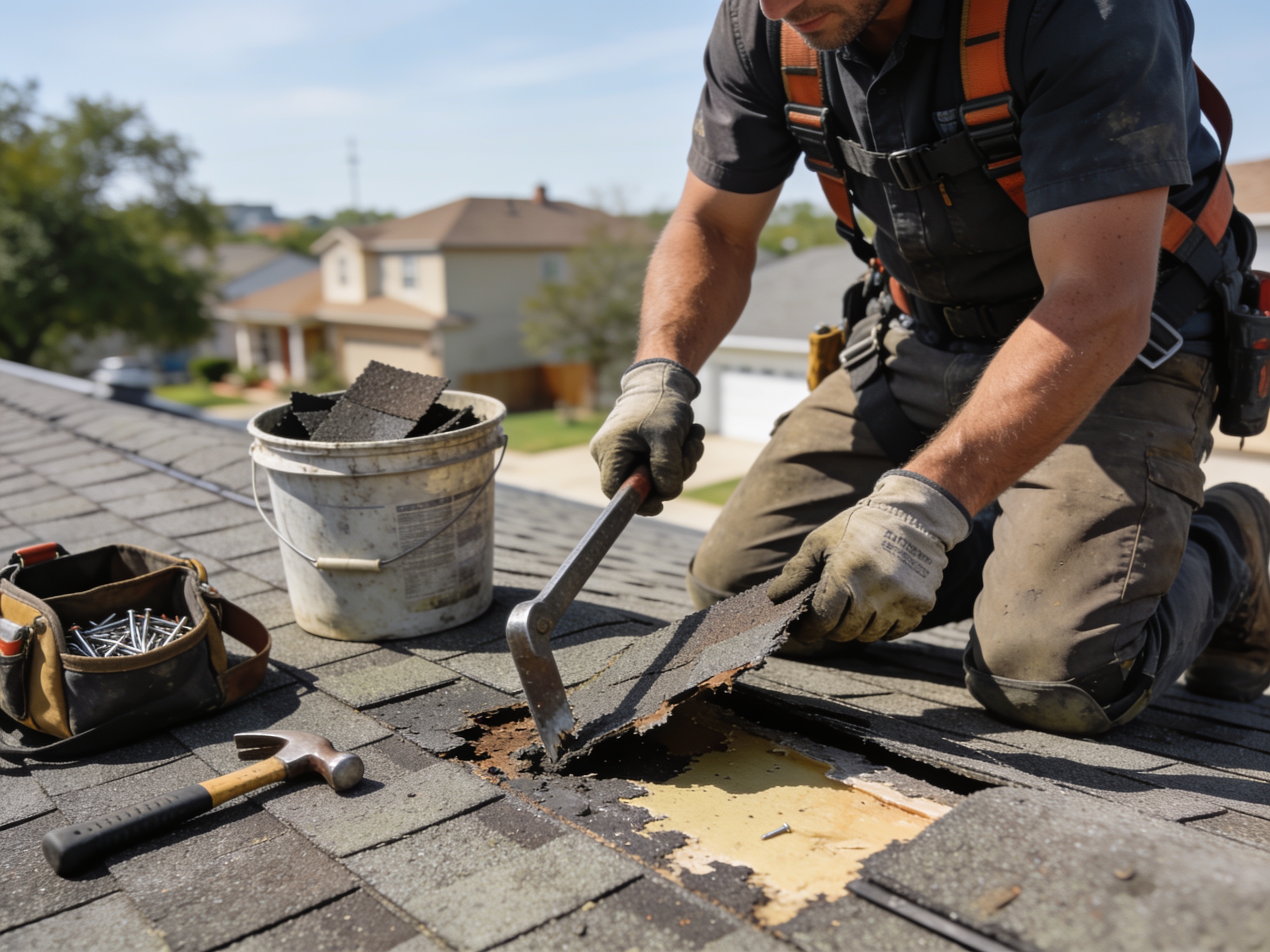
Dallas homes in neighborhoods such as East Dallas and North Dallas often feature older roofing materials exposed to a humid subtropical climate. Hot summers accelerate shingle aging while mild winters allow moisture to linger in underlayment layers. Independent local providers assess flashing around chimneys, vents, and skylights where leaks commonly start due to expansion and contraction cycles.
Water intrusion in Lake Highlands and Bishop Arts District properties frequently traces to tree debris accumulation or settlement cracks in older decks. Providers examine attic insulation for hidden saturation and check valley intersections where runoff concentrates. Proper underlayment replacement and sealant application address these points without unnecessary full roof work.
In Uptown Dallas and Deep Ellum, multi-story structures and mixed-use buildings present access challenges during repairs. Independent local providers use targeted leak detection to isolate issues near parapet walls or shared rooflines common in the area. This approach limits disruption while addressing code requirements for drainage and material compatibility.
Seasonal Considerations
Dallas weather patterns mean leak calls increase after heavy spring rains and summer storms. Providers prioritize temporary tarping for active drips before permanent fixes on asphalt, metal, or tile systems typical to the county.
Technician insight
In Dallas, the thing that catches most people out with Roof Leak Repair is how quickly moisture travels along the deck in older East Dallas and Oak Lawn homes during the humid months. Mild winters let small penetrations go unnoticed until insulation saturation shows up inside. Checking the full slope rather than just the obvious drip point changes the scope of work.
Leak Near Chimney in North Dallas
Water stains appeared on ceilings after spring rains in a North Dallas residence. Independent local providers traced the issue to deteriorated step flashing around the chimney. They replaced the flashing sections and underlayment overlap, then verified the seal held under test conditions.
How it works
- 1
Initial Assessment
Independent local providers inspect the roof surface, attic, and interior ceilings to locate active leaks in Dallas homes.
- 2
Documentation and Planning
Providers map affected areas, note material types, and outline repair steps specific to neighborhood housing stock and climate exposure.
- 3
Targeted Repair Execution
Repairs focus on flashing, underlayment, and sealant work at leak points while preserving surrounding roof integrity.
- 4
Final Verification
Providers confirm the repair holds during a water test and review drainage paths around the property.